The Aurora Project · Paul McGowan
Inside the book.
The story, the cast, the real science of the Eemian, and what more than 3,000 readers are saying.
Order The Aurora Project
The story
Think we were the first?
Think again.
We're taught that civilization began about 12,000 years ago, when the glaciers retreated and people came out of their caves. But that's only the most recent warm period. There was another one. Same climate, same kind of people. So what were they doing for 15,000 years?
Greenland
The ice gives something back.
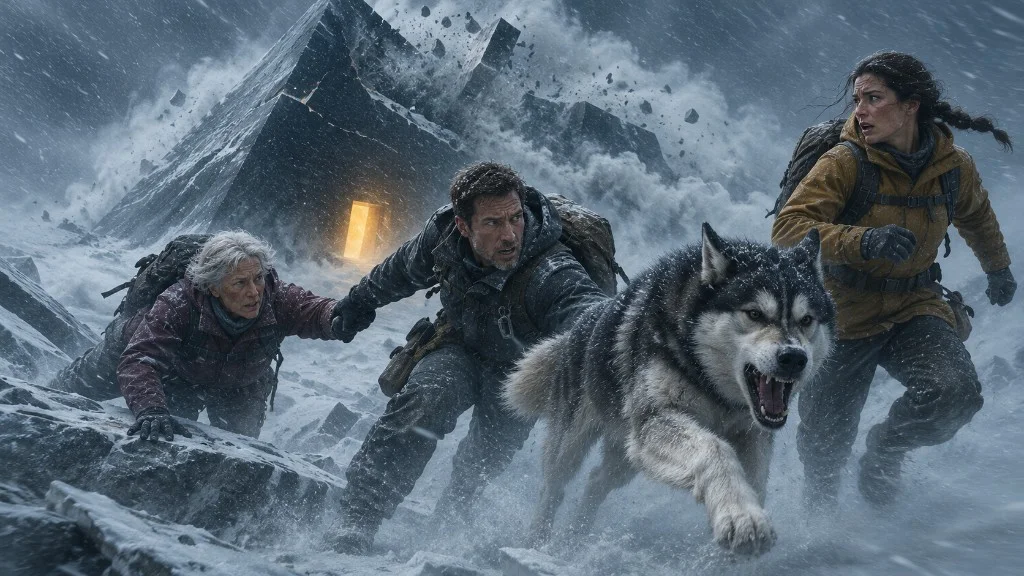
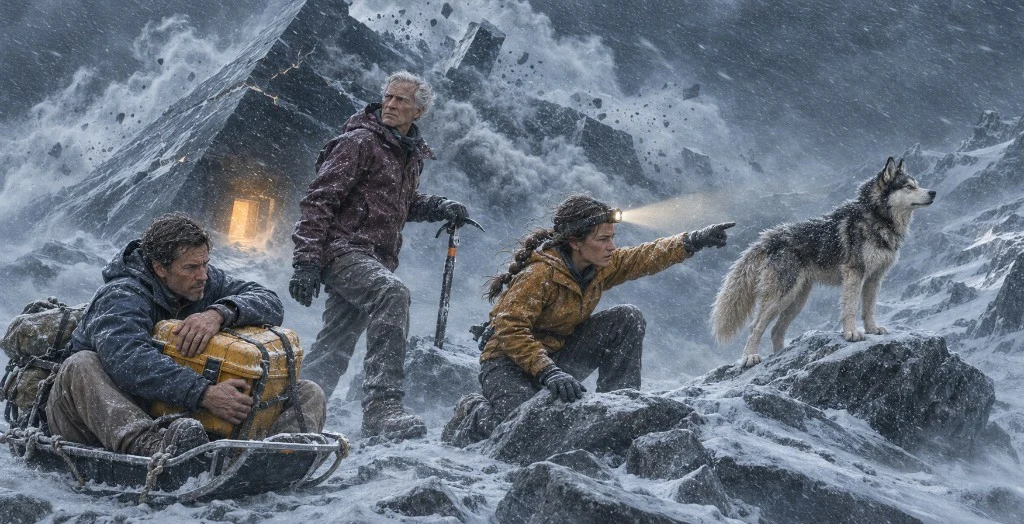
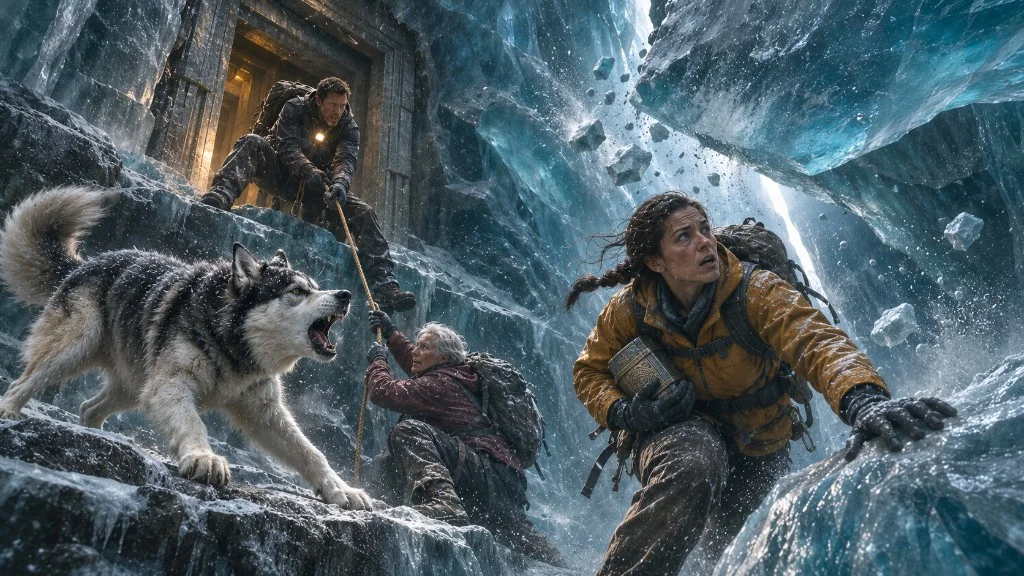
Global warming is melting Greenland's ice faster than anyone predicted. On a remote glacier, a helicopter drops out of the sky and men so tall they look like giants step out. They want one man: Professor Karl Satsky. When they don't find him, they bury the research camp under an avalanche of ice.
Days later, Texas graduate student Sam Sawyer arrives to study with the brilliant, difficult Satsky, never guessing that the old professor has found something the world was never meant to see.
The hunt
A secret worth killing for.
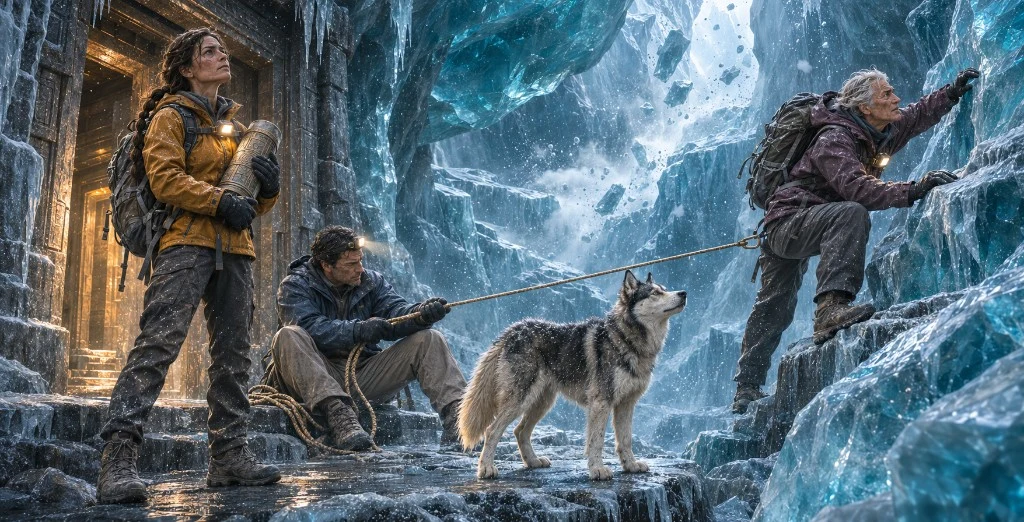
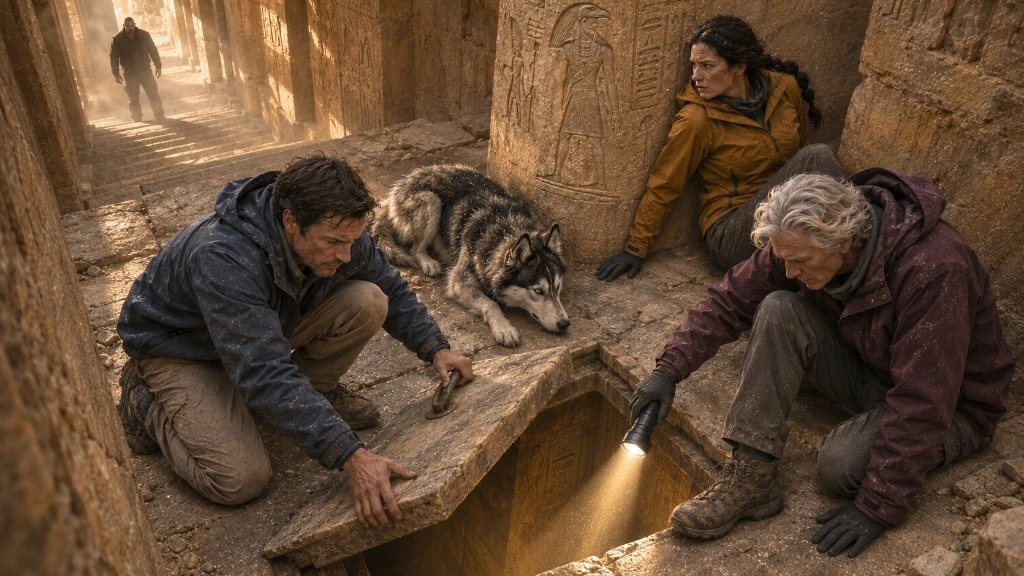
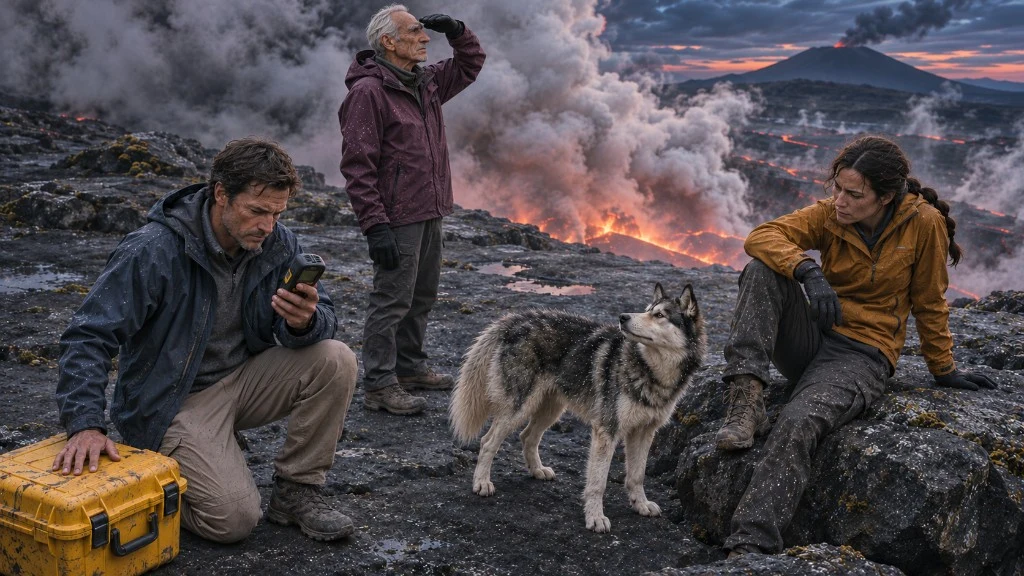
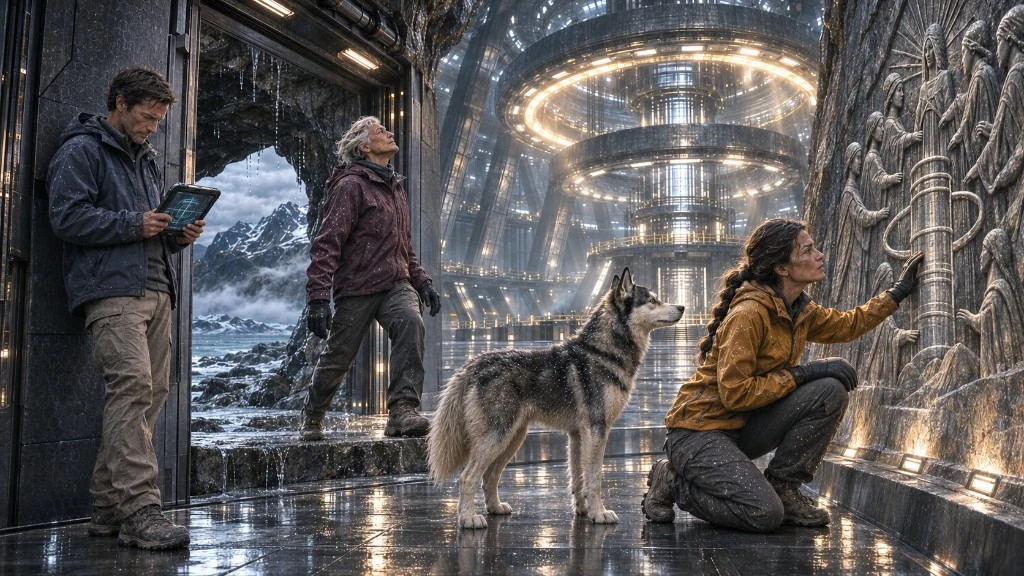
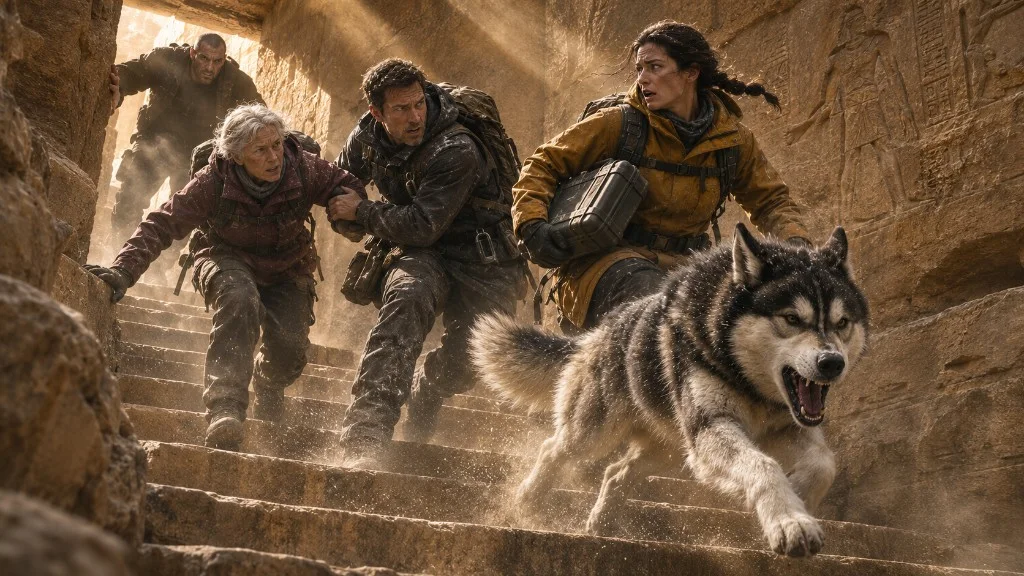
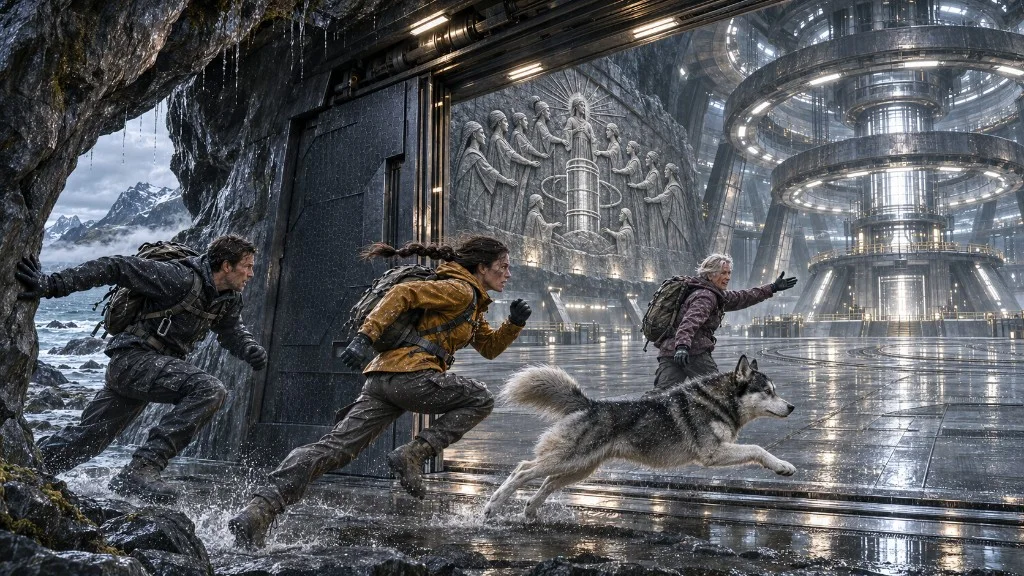
Sam teams up with fearless researcher Julia Bassi and Sky, a husky who's braver than either of them. Together they chase Satsky's clues from Greenland to Dallas to the fjords of Norway, piecing together the lost technologies of the Eemians, an ancient people whose brilliance eclipsed our own.
Every step brings them closer to the Sons of Nephilim, a ruthless cult led by the terrifying Uzziel. The cult has guarded this secret for longer than anyone can imagine, and it's determined to rewrite history.
Antarctica
Buried for 100,000 years.
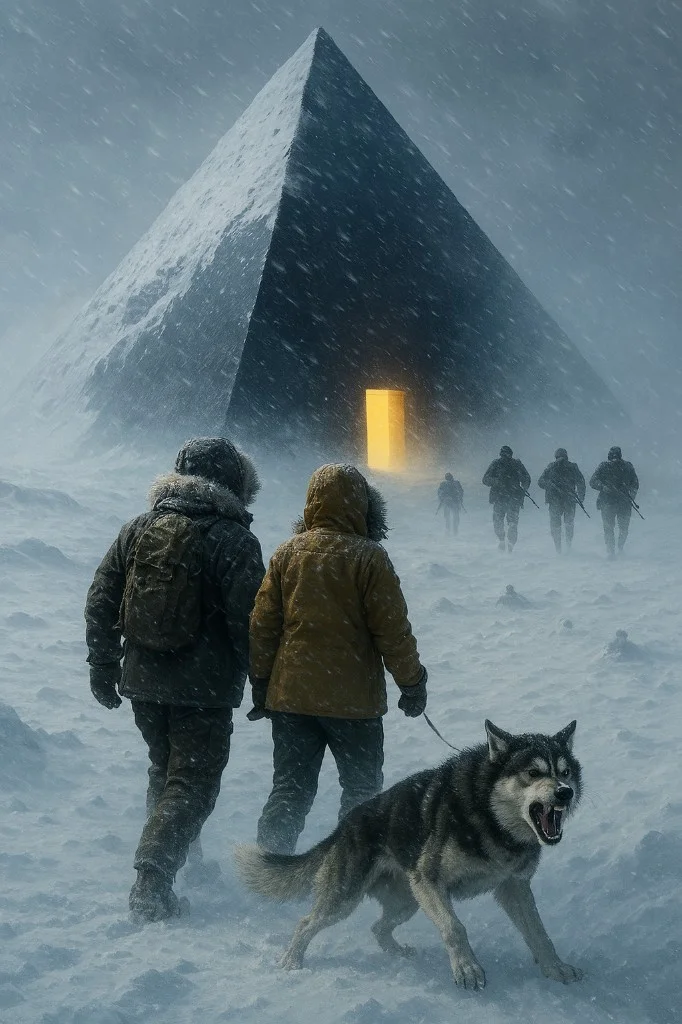
The trail ends at the bottom of the world, in a storm that can kill a person in minutes. Something is hidden deep beneath the Antarctic ice, so Grimes and his crew drill down to find it. What they hit is a pyramid, sealed and buried for 100,000 years, and now finally uncovered.
Whatever is inside could save humanity from the very crisis that ended the Eemians, or doom it forever.
And they're not the only ones who found it.
Find out what's inside
The facts
The science is real.
This is what makes The Aurora Project different. Every fact about the Eemian period in this book is true. Look it up. Then ask yourself the question that kept me writing for nearly 15 years.
130,000years ago, the ice age ended and the Eemian warm period began. It lasted about 15,000 years. People exactly like us were already here, on an Earth much like today's.
+2°CEarth was up to 2°C warmer than before the industrial age. That's right where we're headed now.
20–30 ftSeas were 6 to 9 meters higher than today, because so much of Greenland and West Antarctica had melted.
280 ppmCarbon dioxide in the air was the same as it was before we started burning coal.
A mirror of our own time
The Eemian is one of the closest matches to our own warm period, the Holocene, that scientists know of. Both began when the great ice sheets retreated, both had nearly the same climate, and both were warm enough for life to explode across the planet.
Eemian130,000–115,000 years ago
The ice returns100,000 years of glaciers
Holocene11,700 years ago to today
The people were us.
Homo sapiens had already been walking the Earth for well over 100,000 years when the Eemian began. Fossils from Jebel Irhoud in Morocco are about 300,000 years old. During the Eemian, modern humans lived at Skhul and Qafzeh in Israel and had spread into Arabia. Same bodies. Same brains as you and me.
Hippos in London.
It was so warm that hippopotamuses wallowed in the Thames, where Trafalgar Square stands today, and in rivers as far north as northern England. Forests reached into the Arctic Circle. Straight-tusked elephants, lions, and rhinos roamed Europe.
Then the ice came back.
About 115,000 years ago the world froze again. Ice sheets miles thick ground across the northern continents, and sea levels eventually dropped about 400 feet. Every coastline where people would have built and lived was scraped away or drowned.
Would we even know?
In 2018, NASA climate scientist Gavin Schmidt and astrophysicist Adam Frank published a serious paper asking whether an earlier industrial civilization would leave a trace we could find. Their answer: the evidence would be surprisingly hard to spot.
So, what did they leave behind?
That's where the story begins.
Sources